Howling in the New Year: January Pet Care Tips from Timber Trails Animal Hospital

As we welcome the start of 2026, everyone at Timber Trails Animal Hospital is excited for another year of caring for the pets and families in our community. A new year is a great time to focus on preventive care, healthy routines, and seasonal safety for pets. January brings cooler temperatures and winter-specific hazards in Arkansas, making it an important month to stay informed about changes that may affect your pet’s health and well-being.
Below are some key pet care considerations to keep in mind during January.
Cold Weather Safety
Although Arkansas winters are often mild, temperatures can drop below freezing during January. Cold exposure can increase the risk of hypothermia and frostbite, particularly for small dogs, short-haired breeds, puppies, senior pets, and cats. Pets should have access to warm shelter and should not be left outdoors for extended periods during cold weather. Indoor pets may also seek out heat sources such as fireplaces or space heaters, which should be used with caution to prevent burns or accidents.
Paw and Skin Care
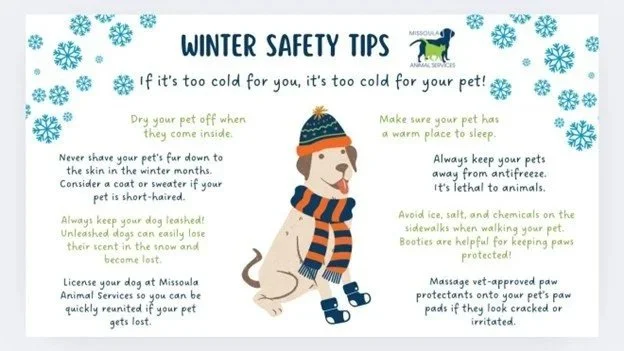
Cold air and low humidity can contribute to dry skin and cracked paw pads. Ice and de-icing products used on sidewalks and driveways may cause irritation to paws or gastrointestinal upset if ingested during grooming. Rinsing and drying your pet’s paws after outdoor walks can help reduce irritation and remove potentially harmful residues.
Antifreeze Awareness
Antifreeze exposure is a serious winter hazard for pets. Products containing ethylene glycol are highly toxic, and even small amounts can be fatal if ingested. Spills may occur more frequently during winter vehicle maintenance. Pet owners should promptly clean up any spills and store automotive products securely out of reach of pets.
Parasite Prevention in Winter
Parasites remain a concern year-round in Arkansas. Fleas, ticks, and mosquitoes may still be active during warmer winter days. Heartworm disease, which is transmitted by mosquitoes, can occur even in cooler months. Continuing veterinarian-recommended parasite prevention throughout the winter helps protect pets from preventable diseases.
Seasonal Changes in Activity and Nutrition

Pets may be less active during colder weather, which can affect weight and overall health. Monitoring food portions and body condition is important during winter months. Indoor play, enrichment activities, and regular movement can help maintain physical and mental well-being when outdoor exercise is limited.
Start the Year with Preventive Care
January is an ideal time to ensure pets are up to date on wellness exams, vaccinations, and preventive services. Subtle changes in appetite, energy level, or behavior can sometimes be overlooked during winter, so scheduling routine veterinary care helps support early detection of health concerns.
New Year’s Resolutions for Pets
A new year is also a good opportunity to focus on healthy habits for pets. While pets don’t set resolutions themselves, January is an ideal time for owners to reassess routines and preventive care.

Maintain a Healthy Weight
Monitoring body condition and maintaining appropriate portion sizes can help support long-term health. Weight management is important for reducing the risk of joint disease, diabetes, and other health conditions.Stay Active Year-Round
Cold weather may reduce outdoor activity, but regular movement remains important. Indoor play, puzzle toys, and short walks during safe weather conditions can help support physical and mental health.Keep Up with Preventive Care
Staying current on wellness exams, vaccinations, and parasite prevention is an important foundation for a healthy year. Preventive care allows for early detection and management of potential health concerns.Practice Dental Care
Dental disease is common in both dogs and cats. Regular dental care, including at-home oral hygiene and professional cleanings when recommended, supports overall health and comfort.Focus on Safety
Seasonal hazards such as antifreeze, ice melt products, and cold weather exposure are reminders to prioritize environmental safety. Reviewing household and outdoor risks at the start of the year can help prevent accidents.
As we move into the new year, the team at Timber Trails Animal Hospital looks forward to continuing to support the health and well-being of your pets throughout every season. If you have questions about winter care, preventive services, or your pet’s individual needs, our team is here to help.
— The Timber Trails Animal Hospital Team
Address: 6619 John Harden Drive, Cabot, AR 72023
Phone: (501) 982-9536
Website: www.timbertrails.vet